
Looking After a Ceramic Coated Car on the Gold Coast: What to Do in Real Life
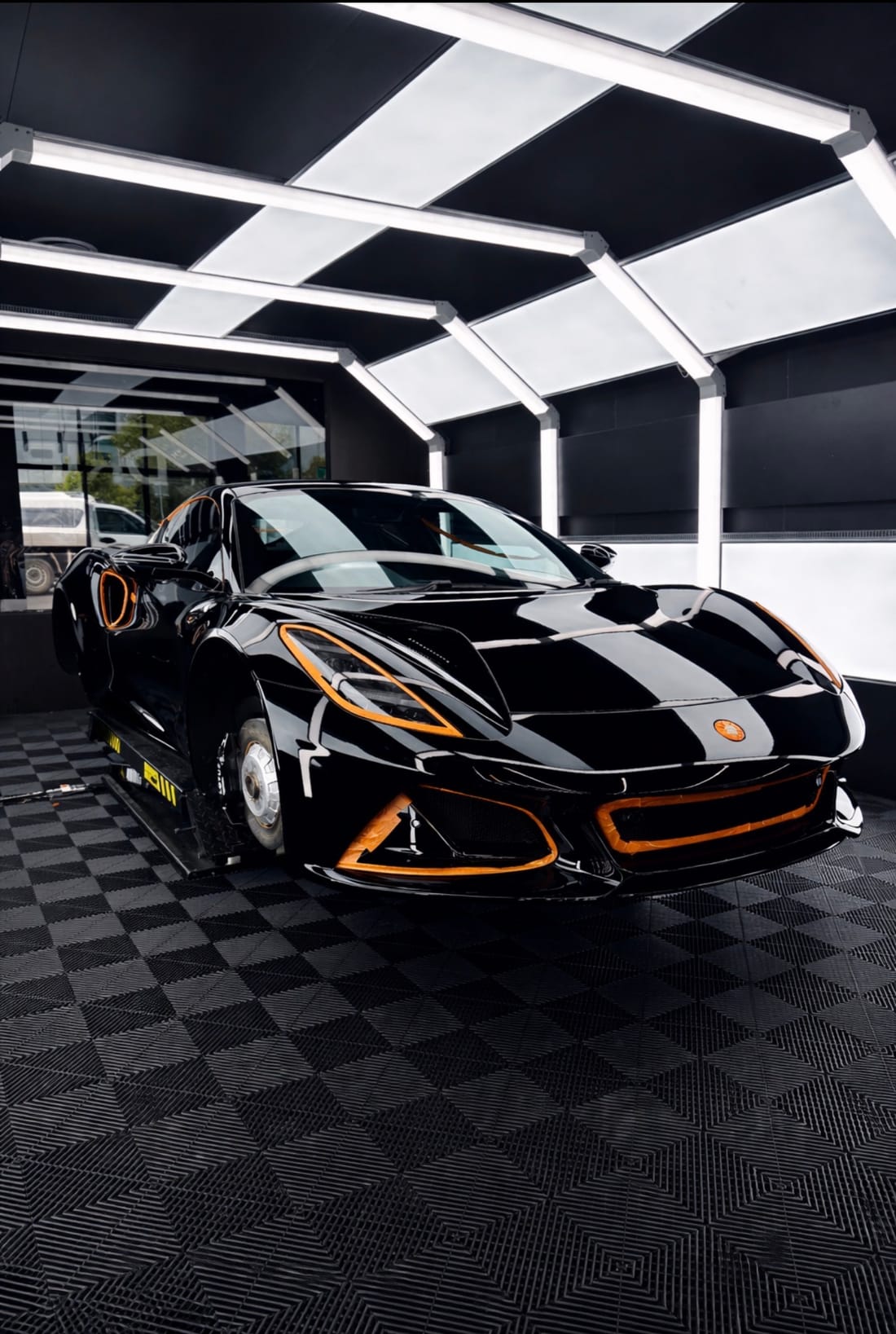
When you collect a coated car from our Southport studio, it beads water, sheds dust and has a deep gloss. Keeping it that way doesn't take a lot of effort, but it does mean knowing which everyday Gold Coast habits help the coating and which wear it down.
We don't think a rigid wash calendar is much use, because nobody's week looks like that. This guide works through the situations Gold Coast owners actually run into, and what to do in each one.
The basics, from our 10-Year Ceramic Coating care requirements: wash gently by hand with a pH-neutral car shampoo, use the two-bucket method, avoid automatic brush car washes, and rinse off salt, bird droppings and bug splatter promptly. Everything below builds on those four habits.
The first days after you pick the car up
A new coating needs time to finish curing after it leaves the studio. We'll give you exact aftercare instructions at handover, including when the car can have its first wash and what to do if it rains in the meantime. Until then:
- Remove bird droppings straight away with a gentle rinse rather than scrubbing.
- Hold off on any detail spray, wax or sealant until we've told you it's safe.
We'll go through all of this when you collect the car. If you're unsure about anything in the first week, call the studio on 0439 053 998.
Situation 1: You've just come back from the beach
This is the big one for Gold Coast cars. A day parked at Main Beach, The Spit, Burleigh or Currumbin leaves a fine salt film on the paint, and sand ends up in door shuts, wheel arches and along the sills, even if you never drove onto the sand.
What to do:
- Rinse the same day if you can. Plain fresh water from a hose removes most of the salt before it sits on the surface overnight. A coated car is much quicker to rinse than an uncoated one.
- Rinse before you touch. Sand is abrasive. Wiping a sandy panel with a towel, or brushing it off with your hand, drags grit across the paint. Flood the surface first.
- Do the lower half properly. Sills, lower doors and the back of the wheel arches collect the most salt and sand.
- Don't forget the glass. If you have our glass coating, a rinse keeps it beading.
A coating helps salt and grime rinse away instead of bonding to the paint. That's a big part of why owners near the water coat their cars. But it only works if you actually rinse the car.
Situation 2: A summer storm has just rolled through
Gold Coast storms dump a lot of water in a short time, then the sun comes back out. Rain itself isn't the problem. The problem is what's left behind when it dries in full sun: dust, pollen and minerals baked onto the surface as spots.
What to do:
- If the car is visibly spotted after a storm, give it a rinse and a gentle hand wash in the shade, then dry it.
- Don't let a dirty car sit in hot sun for days after rain if you can avoid it.
- After a heavy storm, check under trees for fallen leaves and sap, especially if you park under jacarandas or figs.
Situation 3: Bird droppings, bats and bugs
Coastal birds, flying foxes and summer bugs are a constant here. Droppings and bug residue are acidic and can etch paint if they bake on. A ceramic coating gives you a resistant barrier and makes them easier to lift off. It still pays to act quickly.
What to do:
- Act the same day. Soften the mess with water (or a damp microfibre laid over it for a minute) and lift it off. Don't scrape.
- Keep a small kit in the car: a bottle of water and a clean microfibre cloth. Ask us at handover if you want a product recommendation.
- After a hinterland drive up to Tamborine or Springbrook, give the front bumper, mirrors and windscreen a rinse when you get home. That's where bugs collect.
Situation 4: You live in an apartment with no tap
Plenty of coated cars on the Gold Coast live in high-rise car parks in Surfers Paradise, Broadbeach and Southport, where you can't hand wash in your bay.
Your options:
- Touchless (no-brush) wash bays. A rinse-only or touch-free wash is a reasonable way to get salt and dust off between proper washes. Use your own clean mitt if you do any contact washing.
- Avoid automatic brush or roller washes. Rotating brushes are the quickest way to put swirl marks into paint, and swirls under a coating are exactly what we spent time removing.
- Ask us about professional detailing. If washing at home isn't practical, talk to our detailing team about the options.
Situation 5: The proper wash
When you do sit down to wash the car, here's how to do it without damaging the coating:
- Pick your time. Early morning or late afternoon, or in the shade. Washing on a hot panel in midday Gold Coast sun makes soap and water dry into spots before you can rinse.
- Pre-rinse thoroughly to lift loose grit and sand before you touch the paint.
- Two buckets: one with pH-neutral car shampoo, one with clean water to rinse the mitt. That way the dirt goes into the rinse bucket instead of back onto the paint.
- Work top-down with a clean microfibre wash mitt. Do the dirtiest areas (lower doors, rear bumper) last.
- Rinse well, then dry with a soft, clean microfibre drying towel or a blower.
- Wheels last, with separate tools. If you added wheel face coating, brake dust should rinse off more easily. Still use a separate mitt or brush so brake dust never touches the paint.
How often depends on where you live and park. A car that sleeps in a garage in Nerang needs less washing than one parked on the street a block from the beach. If you're not sure how often your car needs it, ask us at handover and we'll suggest a routine that suits how you use it.
What to avoid
| Avoid | Why |
|---|---|
| Automatic brush or roller car washes | Rotating brushes swirl paint. That's the damage the coating's preparation removed. |
| Harsh degreasers, dishwashing liquid or strong alkaline cleaners | They can be hard on the coating. Stick to pH-neutral car shampoo. |
| Dry wiping a dusty or salty car | It drags grit across the surface. Always rinse first. |
| Washing in direct midday sun | Water and soap dry into spots before you can rinse. |
| Old or dropped wash mitts and towels | Embedded grit causes scratching. Retire anything that's hit the ground. |
| Waxes or "coating toppers" we haven't recommended | Some products can mask the coating's behaviour. Ask us first. |
Signs the coating needs attention
Over time, check for these:
- Water sheets or sits flat on a panel instead of beading, even after a proper wash. That's often a layer of road film over the coating rather than the coating failing, so a careful decontamination wash may bring it back.
- The paint feels rough to a light touch after washing (bonded contamination).
- Etching marks where droppings or bugs were left too long.
If you notice any of these, call us before you reach for a polish. Polishing compounds can remove coating. We'll take a look and tell you what it needs.
A coating doesn't replace PPF
Owners sometimes find their first stone chip and assume the coating has failed. It hasn't. Ceramic coating isn't impact protection. 9H is a pencil-hardness rating, not a promise against chips or deep scratches. If chips are your worry, look at paint protection film for the front of the car. The film and the coating work well together.
Frequently asked questions
How soon can I wash my car after ceramic coating?
A new coating needs time to cure, so don't rush the first wash. We'll give you exact aftercare instructions at handover, including when it's safe to wash. After that, wash gently by hand with a pH-neutral shampoo.
Can I take a ceramic coated car through an automatic car wash?
Avoid brush or roller washes. They cause swirl marks. A touchless rinse is a better option when you can't hand wash.
Do I need to rinse my car after every beach trip?
It's the single most useful habit for Gold Coast owners. A quick freshwater rinse the same day stops salt sitting on the paint and sand being ground in later.
What shampoo should I use on a ceramic coating?
A pH-neutral car shampoo. Avoid dishwashing liquid and strong degreasers. Ask us at handover if you'd like a product recommendation.
How long does a Drip 9H coating last?
Our 10-Year Ceramic Coating lasts 10 years with proper maintenance, meaning the care habits in this guide. Read more in how long ceramic coating lasts.
My car isn't coated yet. Is now a good time?
Extended into November, our 10-Year Ceramic package (coating, glass coating, wheel faces and interior protection) is 50% off: from $1,045 inc GST, valued at $2,090.
Need help with your coated car?
Questions about aftercare, or ready to coat your car? Start an instant quote or call 0439 053 998. Our studio is at 68 Davenport Street, Southport, open Monday to Friday, 8am–5pm. November offer: 10-Year Ceramic package from $1,045 inc GST (valued at $2,090), extended into November.
Related: 10-Year Ceramic Coating · PPF vs ceramic coating · Ceramic coating in Broadbeach · Ceramic coating in Surfers Paradise